
📘 The Ultimate Guide to Starting Your Vintage Football Shirt Collection
More Than Just a Shirt, It’s a Time Capsule
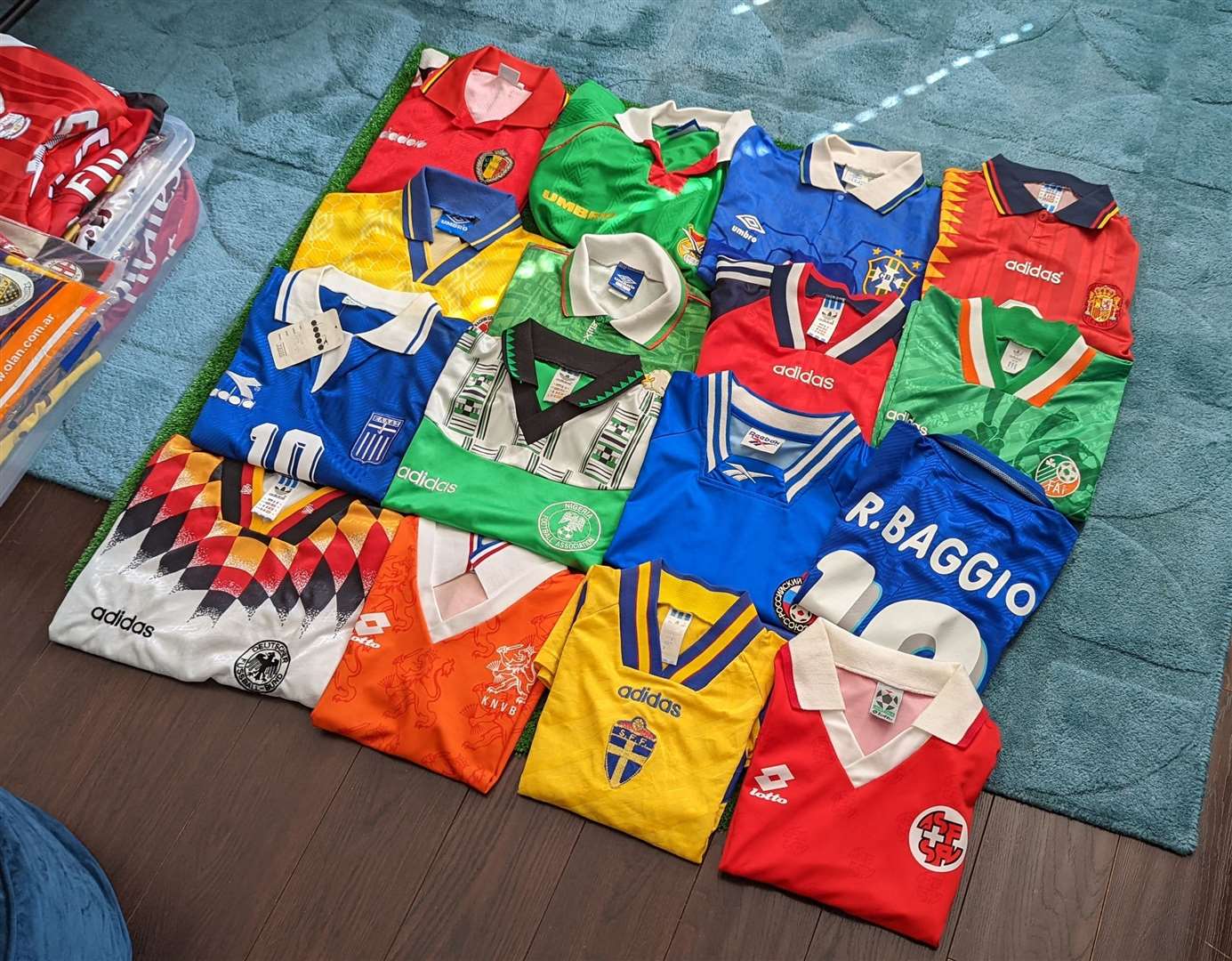
Starting a vintage football shirt collection is more than just accumulating fabric; it's about curating history, nostalgia, and wearable art. Every retro kit tells a story—of a winning season, an iconic player, or a moment in design history that defined an era.
If you’re captivated by the geometric chaos of the 90s or the elegant simplicity of the 80s, you’re in the right place. This ultimate guide will walk you through the essential steps, from defining your focus to spotting an authentic gem, ensuring your journey into vintage kit collecting is rewarding and successful.
Step 1: Define Your Collection’s Focus
Before you buy your first shirt, establishing a clear focus saves money and gives your collection purpose. What truly sparks your interest?
|
Collection Focus |
Why Choose It |
Essential Keywords |
|
Era Focused |
You love a specific design aesthetic (e.g., the large collars of the 70s, the geometric chaos of the 90s). |
90s football shirts, vintage 80s kits, retro design era |
|
Club/National Team |
You want to chart the history of your favourite team through their kits. |
Manchester United retro shirts, Brazil vintage kits, Ajax shirt history |
|
Player Focused |
You collect shirts tied to a specific player’s peak career or debut. |
Maradona Napoli shirt, Cruyff Ajax kit, Ronaldo vintage jerseys |
|
Rarity/Design |
You prioritize unique features, odd colourways, or rare one-off sponsor patches. |
Rare football shirts, unique third kits, forgotten team jerseys |
Step 2: The Search — Where to Buy Authentic Kits
The most crucial step in starting your shirt collection is finding reliable sources to avoid fakes.
-
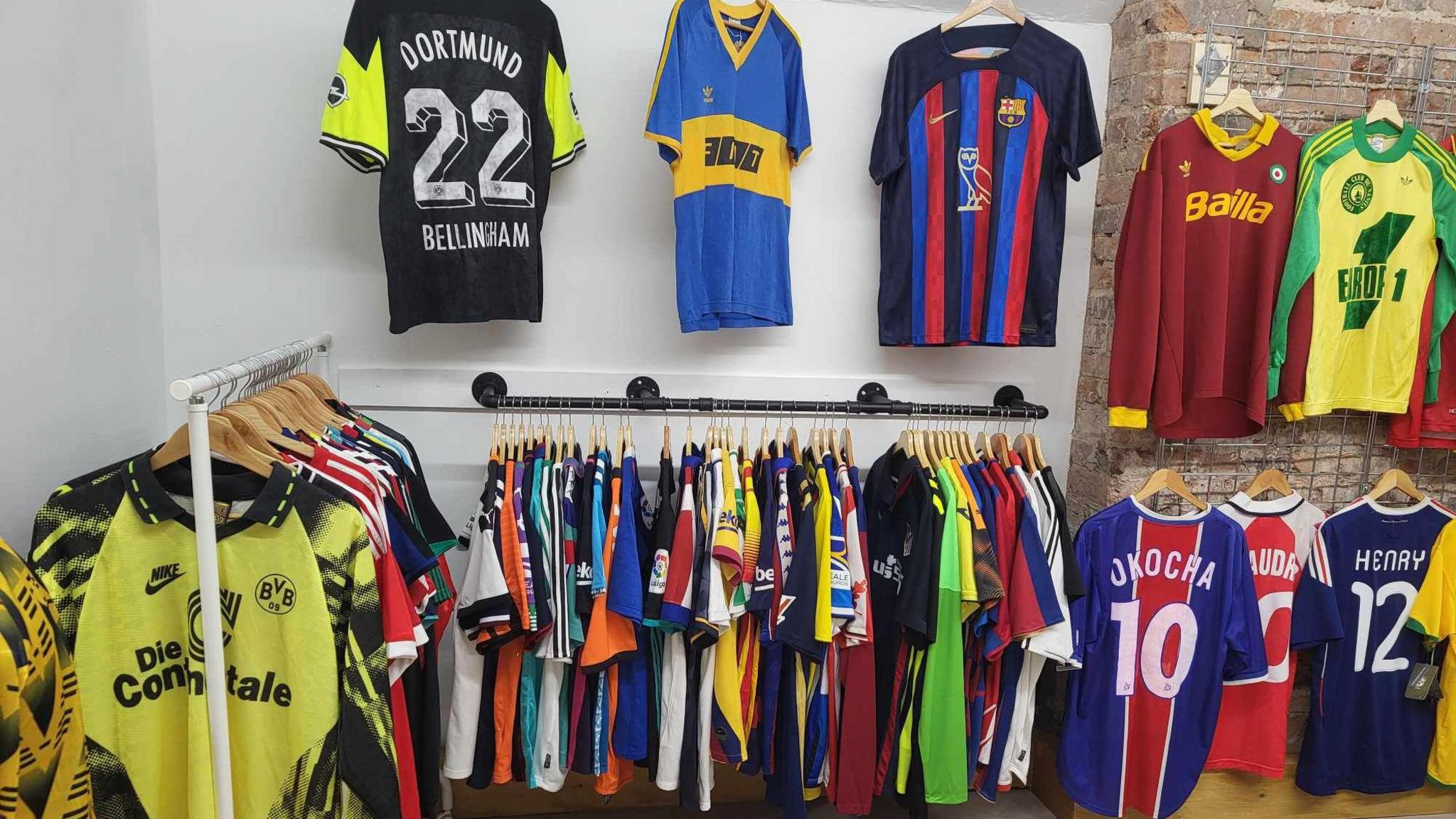
Established Online Retailers (Like Off The Field): The safest bet. Reputable vendors verify authenticity and provide detailed grading and return policies.
-
Online Marketplaces (eBay/Vinted): Requires caution. Only buy from sellers with extensive positive feedback, and always ask for photos of specific authentication points (tags, stitching).
-
Vintage Fairs & Physical Stores: Great for negotiating and physically inspecting the shirt, which is the best way to determine condition and feel the fabric quality.
-
Social Media Collector Groups: Excellent for trading and accessing rare, off-market pieces, but rely entirely on community trust.
Step 3: Authenticity and Grading: Know Before You Buy
To build a valuable collection, you must be able to recognize genuine quality.
H3: The Authenticity Checklist
-
Tags & Labels: Check the washing tag and size tag. Look for misspellings, poor font quality, or tags that feel overly thin or shiny. Authentic vintage tags often feature specific fonts or historical logos from the manufacturer.
-
Crest and Manufacturer Logo: On true vintage shirts, these were often heavy embroidery or felt. Look for clean, tight stitching and ensure the logo placement aligns with the genuine kit (researching high-resolution images is key).
-
Sponsor Print: Check the material. Vintage prints were often thick felt or heat-pressed vinyl that felt slightly stiff. Fakes often use thin, cheap vinyl or modern materials.
-
Fabric Feel: Vintage polyester (especially 80s/90s) has a unique, slightly heavier texture than the thin, stretchy performance materials used today.
H3: Understanding Condition Grading
When buying vintage, perfection is rare. Vendors use grading systems to describe the condition:
-
10/10 (Mint): Flawless, often unworn (Deadstock).
-
8-9/10 (Excellent): Slight fading, perhaps one small bobble, but no major flaws.
-
6-7/10 (Good/Wearable): Minor pulls, fading to the collar/print, or a small stain. Still highly displayable and wearable.
Step 4: Mastering Maintenance and Care
Proper care ensures your investment retains its value. This is non-negotiable for vintage kit collecting.
-
Washing Rule: Always turn the shirt inside out. Use a cold, delicate wash cycle with mild detergent. Never use fabric softener, as it degrades the print adhesive.
-
Drying: Air dry only. Heat is the number one enemy of vintage printing, causing cracking and peeling. Lay the shirt flat on a clean surface or hang it on a thick hanger.
-
Storage: Store shirts folded flat in a drawer or hung on a padded hanger. Avoid damp areas, direct sunlight, or wire hangers which can crease the fabric and damage the shoulders.
Start Your Story Today
Your vintage football shirt collection is a journey, not a destination. It’s about the hunt for that rare design, the joy of discovering history, and the satisfaction of preserving a piece of the beautiful game. By defining your focus and prioritizing authenticity, you are well on your way to becoming a serious collector.
Ready to find your first iconic piece?
Explore Off The Field's curated collection of authenticated vintage kits and start building your legend today!